Storage objects: various raw materials, semi-finished products, and finished products;
intensive storage: automated vertical warehouses, intensive storage warehouses;
intelligent handling: reduce storage and transportation losses, and reduce labor costs;
system management: optimize storage and exit strategies to maximize the benefits of inventory circulation.

Smartloop Korea's digital factory construction manages business data such as products and production throughout the life cycle;
realizes the opening of the value chain from order, production to warehousing;
data visualization, real-time monitoring of production and abnormalities;
automation equipment integration, equipment information interconnection.
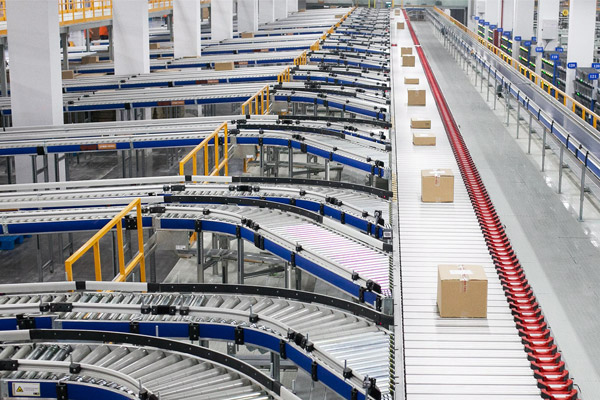
The in-factory dispatching solution in Smartloop Korea intelligent logistics scenarios covers mobile robots, production lines, workstations, standing warehouses, temporary storage areas, special planes and other equipment and areas. Through the general dispatching system, materials can be efficiently completed at each production line loading and unloading point. The rapid handling between rooms can meet the needs of cross-floor and cross- factory transportation, significantly improve the production efficiency of the production line, and greatly reduce labor costs.
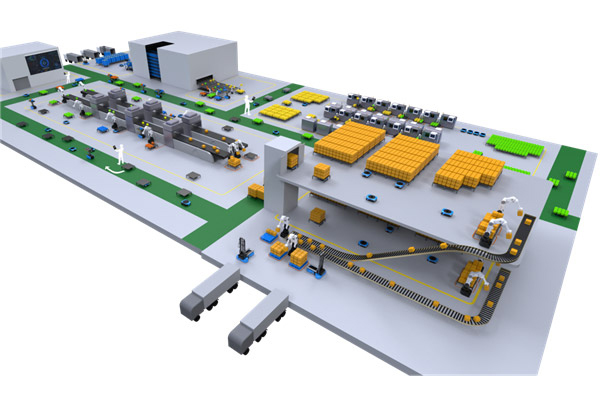

The construction of an intelligent factory is an important link for enterprises to achieve full-process and all-factor control. The overall construction goal of an intelligent factory should be centered on factory data to realize the automatic production of products that integrate automatic control, production scheduling optimization, and resource planning management.

The Industrial Internet is a new generation of information technology that integrates technologies such as the Internet of Things, big data, cloud computing, and artificial intelligence. As the basic network of intelligent manufacturing, the Industrial Internet includes three elements: network,

The Industrial Internet is a new generation of information technology, which integrates technologies such as the Internet of Things, big data, cloud computing, and artificial intelligence; it breaks the ability of traditional information technology to serve enterprises. It is to realize systematic digital and intelligent management services of all elements, processes, industry chains, and value chains of enterprise personnel, equipment, materials, production lines, orders, products, suppliers, customers, and finance. Cost reduction, efficiency improvement, quality improvement and consumption reduction, resource allocation optimization and digital capabilities are more obvious and easier to realize.

Hotline